Italian food is everywhere, but Italian food culture travels much less well. In Italy, meals follow a set of unwritten rules that have little to do with snobbery and a lot to do with flavour: dishes are simple, built on seasonal and local ingredients, and eaten slowly. The rules exist to let those flavours shine.
Break one and you may get a raised eyebrow. Follow them and you’ll eat better, and probably earn an approving nod from the table next to you. Here are seven things to avoid on your next trip.
1. Don’t order a cappuccino after breakfast
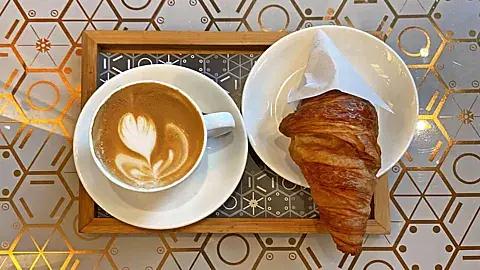
Visitors often ask what the cut-off time is for cappuccino. The easier rule: don’t order one in a restaurant at all. Cappuccino is a breakfast drink, taken standing at the coffee bar with a cornetto or pastry. Its milky richness is considered too heavy alongside a savoury lunch or dinner. Later in the day, Italians drink espresso or a macchiato.
2. Don’t change the order of the meal
A traditional Italian meal moves from light to rich in a set sequence:
- Antipasto: the starter
- Primo: the pasta, risotto or soup course
- Secondo e contorni: meat or fish, with vegetable sides on separate plates
- Dolce: dessert
- Caffè e amaro: espresso and a digestive
You can skip courses, but you shouldn’t reorder them, and asking for everything to arrive at once is an unusual request. Salad isn’t a starter either: an insalata mista, dressed simply with olive oil, salt and lemon, is a side eaten with the main course. And pasta is never a side dish; it is a course of its own.
3. Don’t mix sea and mountain
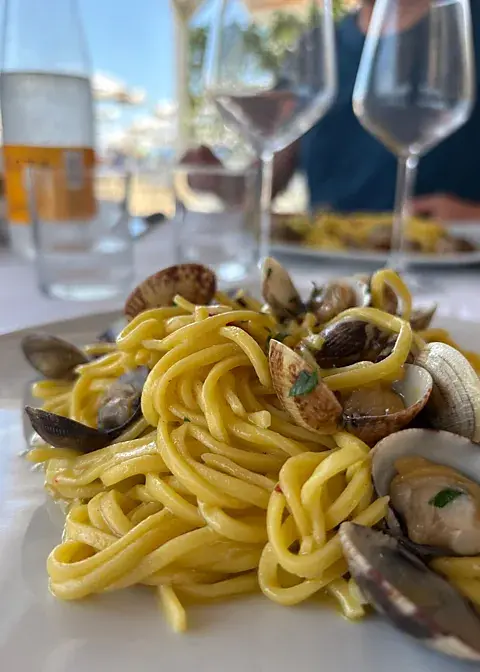
Italian cooking tends to keep mare (the sea) and monti (the mountains, meaning meat and aged cheese) apart. The two traditions grew up separately, and their strong flavours are thought to compete. That’s why asking for Parmesan on spaghetti alle vongole makes Italians wince.
The same logic applies across the meal: follow a seafood starter with a seafood pasta and fried calamari, rather than switching to a meat ragù halfway through. A few classic recipes do pair fish and cheese, such as pasta with mussels and pecorino, but these are deliberate exceptions.
4. Don’t ask for substitutions
In Italy, a dish on the menu is the dish, not a starting point. Ingredients belong together for a reason, and so do pasta shapes and sauces: ridged short pasta catches chunky sauces, while long and filled pasta suits silkier ones. Asking the kitchen to swap an ingredient is seen as second-guessing the recipe and the chef.
Allergies and dietary needs are a different matter. Mention them, and feel free to ask whether something like onion or garlic can be left out. Many cooks will gladly prepare something for you. What’s frowned upon is redesigning a dish to your taste.
5. Don’t ignore the local specialities
Italy was unified only in the second half of the 19th century, and many Italians still identify first with their region or hometown. Food is the same: there is no single “Italian cuisine”, but dozens of regional ones, each fiercely proud of its own dishes.
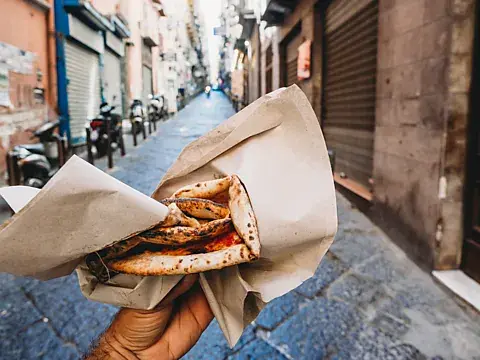
Eat where you are. Have pizza in Naples, carbonara and cacio e pepe in Rome, pesto in Genoa, a bistecca alla fiorentina in Florence, limoncello on the Amalfi Coast and cicchetti with a spritz in a Venetian bacaro. Even small towns have a signature bread, cheese or dish, so ask what the place is known for before you order.
6. Don’t rush the meal
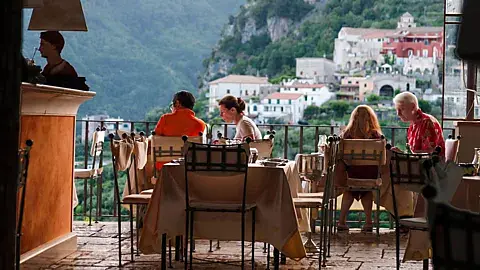
For Italians, eating out is a social occasion rather than a refuelling stop. Lunch or dinner can stretch over hours, with pauses between courses for conversation, another bottle of wine or a palate-cleansing lemon sorbet. Don’t expect the bill to arrive until you ask for it.
Italians also eat later than many visitors: dinner often starts around 9 p.m., and a full meal can run close to midnight.
7. Don’t skip the amaro
A proper Italian meal ends with dessert, an espresso and an amaro. The name means “bitter”: these herbal liqueurs, made with ingredients such as citrus peel, walnuts and medicinal herbs, are an acquired taste but a reliable cure for an overly generous dinner. Amari vary from region to region, so ask for the local one, or whether the house makes its own.
Quick recap
- Cappuccino is for breakfast; order espresso after meals.
- Follow the order of courses; salad comes with the main.
- Keep seafood and cheese apart.
- Order dishes as they are, but always mention allergies.
- Eat the local specialities wherever you are.
- Take your time and eat later than you might at home.
- Finish with an espresso and an amaro.